Blog

  • How to Maintain a Clean Kitchen Workspace When Space Is Limited

    How to Maintain a Clean Kitchen Workspace When Space Is Limited

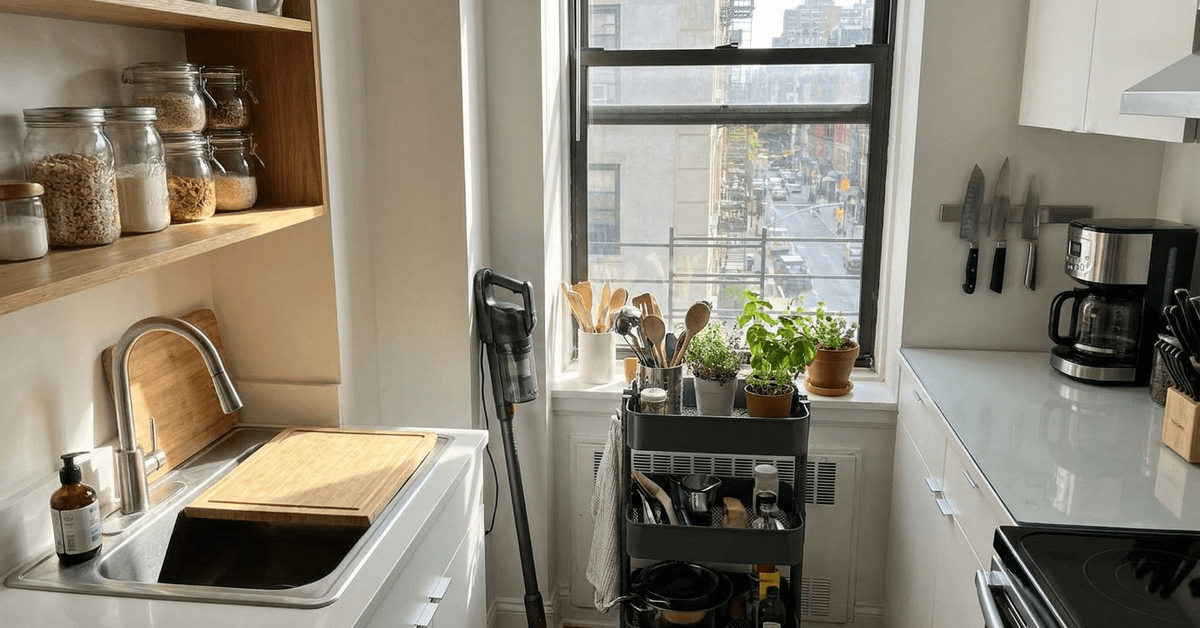
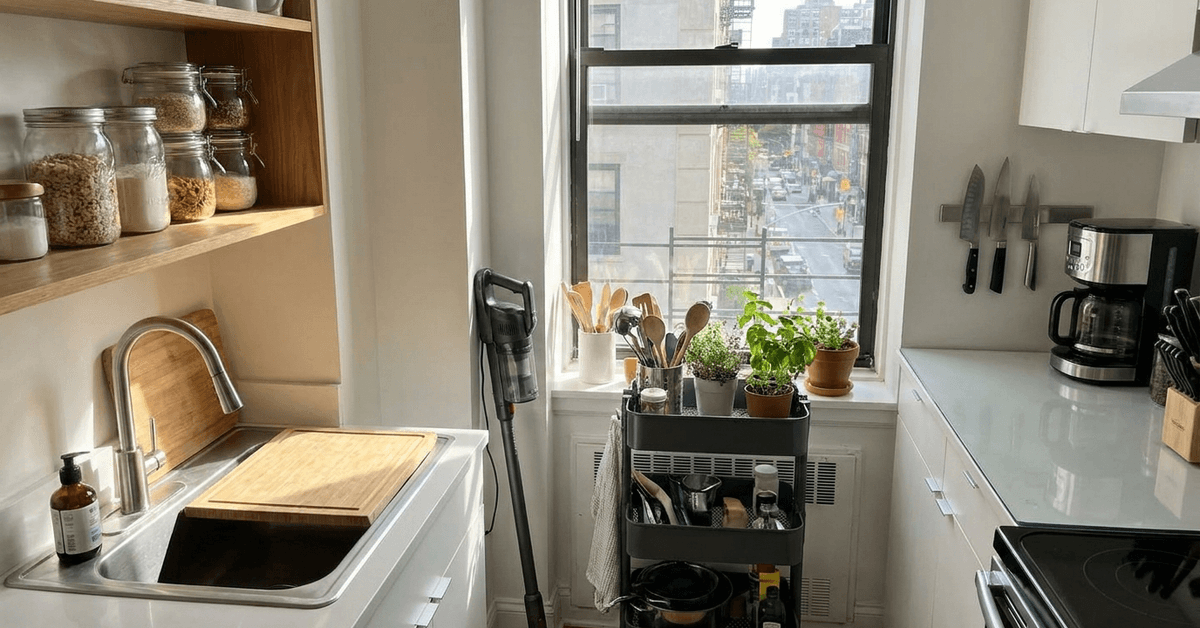
    For many urban residents, kitchens are small, countertops are scarce, and every inch counts. A tidy workspace makes city cooking more enjoyable and efficient. Anyone living in apartments across London, New York, or Tokyo knows the challenge well.

    This guide is for city dwellers, remote workers, and students. Maintaining a clean kitchen, even in limited space, is possible with the right techniques and tools. 

    You’ll learn practical methods, real app examples, and step-by-step routines for a consistently organized kitchen.

    Why a Clean, Compact Kitchen Matters

    Small kitchens can quickly become chaotic if clutter is not managed. Limited surfaces mean less room for error. In a city setting, a clean workspace saves time, reduces food waste, and keeps stress levels in check.
    How to Maintain a Clean Kitchen Workspace When Space Is Limited

    Health Benefits

    Keeping the area free from crumbs and spills minimizes exposure to pests and germs. Especially in tight city apartments, neglecting cleanliness can attract unwanted insects fast.

    Better Efficiency

    A consistently organized counter makes preparing meals faster. It’s easier to find tools when there’s no mess to dig through.

    Decluttering Tips for Small City Kitchens

    Less space means more decisions about storage. It’s useful to focus on frequent routines instead of big cleanups.

    Clear Surfaces Daily

    • Remove dirty dishes after each use. Waiting turns a tiny space chaotic in hours.
    • Wipe counters with an all-purpose spray right after meal prep.
    • Store away non-daily appliances like waffle makers below the counter or inside cabinets.

    Keep Only the Essentials Out

    Many urbanites prefer leaving their coffee maker on display. However, storing rarely-used gadgets keeps counters open for cooking.

    Smart Storage Solutions for Urban Kitchens

    Maximizing vertical and inside-cabinet space is critical. Here are some space-saving ideas many apartment cooks find effective.

    Use Stackable Storage Containers

    Stackable containers like OXO Pop Containers help organize dry goods. They optimize shelf space and keep ingredients fresh longer.

    Add Hooks and Rails

    Wall-mounted rails for utensils or mugs free up drawers. Magnetic strips work well for knives and scissors.

    Install Over-Sink Cutting Boards

    An over-sink cutting board (found at stores like IKEA) creates an instant new surface for prep, especially useful in very narrow kitchens.

    Daily Cleaning Routines That Actually Work

    Maintaining cleanliness is easier with consistent mini habits. A heavy weekly cleaning often feels overwhelming for busy city residents.

    1. After breakfast, clear plates and wipe down surfaces. Even a quick swipe prevents buildup.
    2. At midday, glance over the sink. Load the dishwasher or wash a few items by hand before clutter accumulates.
    3. After dinner, check floors for crumbs and shake out the mat. A small handheld vacuum can save time (the BLACK+DECKER Dustbuster is a popular choice).

    These routines reduce the pressure of larger weekend cleanups and keep your space ready for spontaneous guests.

    Top Apps and Tools for Busy Urbanites

    Modern apps and smart gadgets can help streamline the process of keeping your kitchen organized and tidy.

    Kitchen Inventory Apps

    Using a tool like Pantry Check lets you track ingredients, avoid duplicate purchases, and plan meals based on what’s available, reducing clutter and waste.

    Reminder Apps for Cleaning

    Setting cleaning reminders in Todoist or Google Keep ensures nothing gets overlooked. Many city dwellers find these digital nudges help create reliable habits.

    Multi-Purpose Tools

    Items that serve more than one purpose, such as a combo toaster-oven, free up precious countertop space. They can also reduce the number of separate appliances needed.

    Step-by-Step Guide: Cleaning Routine for Tiny Kitchens

    A routine that takes only minutes but yields visible results works best for city kitchens. Here’s an actionable example to follow.

    1. Put away unused items: Store pots, utensils, and groceries after every use, not at the end of the day.
    2. Quick-wipe all surfaces: A microfiber cloth dampened with water or cleaner can sanitize prep areas in seconds.
    3. Check the sink: Rinse and stack dishes immediately or load them into a compact dishwasher if you have one.
    4. Check the trash: Small bins fill up quickly in a tight kitchen. Empty trash bags daily to prevent odors.

    Setting a daily alarm as a reminder can help, especially after dinner when dishes tend to pile up.

    Tackling Odors, Pests, and Urban Challenges

    City kitchens are prone to unique cleanliness risks like fruit flies and urban critters. Simple habits can help reduce these issues.

    Control Food Waste

    Use marked compost bins (if available in your building) and keep perishable scraps in a sealed container. Regularly emptying this is key to avoiding pests.

    Address Spills Immediately

    Even a drip of juice can attract ants or roaches in certain climates. Many city renters use a pet-safe disinfectant spray right after cooking.

    Ventilate Properly

    If possible, open a window or run a stove fan during cooking. This prevents moisture buildup and reduces lingering food smells.

    How to Get the Most from Limited Cabinet Space

    Small urban kitchens rarely offer the luxury of deep cabinets or walk-in pantries. Optimizing inside storage can nearly double usable space.

    • Organize items according to use. Daily cookware should go in the easiest to reach shelves.
    • Use shelf risers to stack plates or cups vertically. Brands like SimpleHouseware offer affordable options.
    • Install tension rods for hanging spray bottles or storing lightweight items under sinks.

    City-Specific Tips for Common Layouts

    Galley Kitchens

    In places like Manhattan or Paris, galley kitchens are the norm. Since you pass through these while cooking, a wall-mounted spice rack prevents counters being cluttered by jars.

    Studio Apartment Kitchens

    Many studios in Berlin or San Francisco feature kitchens in the living area. Foldable prep surfaces or rolling carts provide temporary work space that can be stored away easily.

    Corners and Nooks

    Corner shelves or lazy Susans, found at stores like Muji, can unlock extra space in otherwise awkward areas.

    Best Practices for Shared City Kitchens

    Urban living often means sharing kitchen space with roommates. Consistent routines help keep the space usable for all.

    • Label storage shelves with names or color codes.
    • Use group messaging apps like WhatsApp for reminders about cleanups or chores.
    • Establish a rotating cleaning schedule and stick to it with calendar invites.

    Conclusion

    Maintaining a clean kitchen workspace in a small city apartment is entirely achievable with practical routines and a little creative thinking. 

    Focusing on essential tools, consistent daily cleaning, and smart use of storage allows urban homeowners and renters alike to create a kitchen that is not only clean but also surprisingly functional. 

    Ultimately, the right habits ensure you make the most of your space and enjoy cooking—even in the coziest city kitchens.


  • 10 Time-Saving Life Hacks for Busy City Professionals

    10 Time-Saving Life Hacks for Busy City Professionals

    City life races at a relentless pace. For professionals juggling work, commuting, and personal goals, every minute matters. Small adjustments can make a significant difference for those striving to fit more into their packed days.

    These practical life hacks are ideal for busy city dwellers who want to save time, reduce stress, and enjoy a better work-life balance. Explore actionable solutions drawn from real city experiences and productivity tools.

    Optimize Your Morning Routine

    Prep the Night Before

    Packing a bag in advance or laying out clothes avoids early morning decision fatigue. New Yorkers often rely on this tactic to sprint out the door for early subways.

    10 Time-Saving Life Hacks for Busy City Professionals
    • Choose and set out your outfit
    • Pre-pack gym, work, or snack bags
    • Charge devices overnight at a single station

    Use a Smart Coffee Maker

    A programmable coffee machine can brew automatically before your alarm rings. For many, this simple device provides a comforting, time-saving morning boost.

    Efficient Commutes

    Leverage Real-Time Transit Apps

    Apps like Citymapper and Transit App help plan routes and avoid delays across London, Paris, and other metros. They can notify you about disruptions right as they happen.

    • Check live status for each route
    • Receive alternative options during service outages
    • Bookmark favorites for fast daily use

    e-Bikes and Scooters

    Shared scooters from Bird or Lime save time on short trips. In cities like Berlin and Barcelona, using bikes or scooters trims commute times, especially when traffic stalls.

    Streamline Work Tasks

    Adopt Task Management Tools

    Trello and Asana simplify task tracking for both solo professionals and teams. They allow clear visualization of progress, helping focus energy on most important actions first.

    • Create and prioritize quick to-do lists
    • Assign deadlines and reminders
    • Use templates for recurring projects

    Batch Similar Activities

    Grouping calls or emails into dedicated time slots reduces job switching. This approach works especially well for remote city workers collaborating across time zones.

    Master Urban Errands

    Grocery Delivery Services

    Using Instacart, Gorillas, or Getir delivers groceries right to your door in busy cities like Chicago or Amsterdam. Planning orders prevents last-minute store runs.

    • Utilize scheduled or fast 10-minute delivery options
    • Save favorite products in the app
    • Review past orders for faster reordering

    Dry Cleaning on Demand

    Apps such as Zipjet collect, clean, and deliver laundry back within 24 hours. This gives back precious free evenings often lost to laundry chores.

    Maximize Meetings and Communication

    Digital tools can reduce repetitive work and make professional communication easier to manage. They are especially useful for people balancing meetings, commuting, and busy schedules.

    Use Voice-to-Text Apps

    Apps such as Otter.ai can transcribe meetings and conversations in real time. This makes it easier to review important points, prepare summaries, and share notes with coworkers. 

    Voice recording can also help capture ideas while walking or commuting, reducing the need to type everything manually.

    Automate Scheduling

    Scheduling tools such as Calendly allow contacts to select available time slots directly from your calendar. This reduces long email exchanges and helps prevent double bookings. Similar systems are widely used in busy offices and remote teams.

    Stay Healthy With Minimal Effort

    Small routines can support wellness without taking over your day.

    Try Quick Home Workouts

    Apps such as Seven provide short guided workouts that work well in small apartments. Brief exercise sessions can save travel time and leave more room for hobbies or rest.

    Prepare Meals Weekly

    Setting aside an hour each week to prepare grains, proteins, vegetables, lunches, or snacks can prevent rushed food decisions.

    Outsource Small Tasks

    Hire Help for Micro-Jobs

    Platforms such as TaskRabbit connect users with help for assembly, repairs, and organizing.

    Use Personal Shopping Services

    Personal shoppers can handle pharmacy visits or basic errands, giving busy city residents more time for essential priorities.

    Optimize Digital Life

    Managing digital tools more efficiently can reduce distractions, save time, and improve online security. A few simple systems can make everyday tasks feel less stressful.

    Organize Email With Filters

    Use Gmail’s built-in filters to automatically sort newsletters, receipts, work messages, and promotional emails. Clear categories make important messages easier to find.

    Unsubscribe From Unwanted Emails

    Tools such as Unroll.Me can help identify subscriptions you rarely read. Removing unnecessary emails reduces inbox clutter and limits distracting notifications throughout the day.

    Use a Password Manager

    Password managers such as 1Password or LastPass securely store account credentials. They can automatically fill login forms, generate stronger passwords, and reduce repeated password resets.

    Protect Your Master Password

    A password manager requires one strong master password. Choose a unique phrase that you do not use elsewhere and enable two-factor authentication when available.

    Review Your Digital Habits

    Check email filters, app notifications, and saved accounts regularly. Removing unused services and limiting unnecessary alerts can create a calmer, more organized digital routine.

    Plan Social and Leisure Time Smartly

    Planning your free time with the right digital tools makes it easier to discover activities without spending hours searching. Personalized recommendations can help you enjoy local experiences while making the most of your schedule.

    Discover Local Experiences Fast

    Apps such as Meetup and Eventbrite recommend events based on your interests and location. Whether you enjoy art exhibitions, sports activities, language exchanges, or food festivals, these platforms can quickly suggest nearby options.

    You can filter events by category, reserve a spot through the app, and add confirmed plans directly to your digital calendar. This makes organizing social activities more convenient, especially when exploring a new city.

    Book Reservations Online

    Restaurant reservation platforms like OpenTable and Resy help reduce waiting times at popular dining spots in cities such as New York, Madrid, and many other destinations. 

    Booking ahead increases the likelihood of securing your preferred time, particularly during weekends or holidays.

    Stay Flexible

    Keeping a few open time slots in your schedule allows you to take advantage of last-minute invitations, special events, or local recommendations while still having important reservations confirmed in advance.

    Conclusion: Making Every Minute Count

    Busy professionals across global cities know that tiny optimizations lead to big results. Whether it’s using smarter apps, relying on local services, or planning ahead, time saved can quickly add up. 

    Each strategy in this list was chosen for its real-world practicality and the frequent recommendation of city residents who understand the relentless pace of metropolitan life.

  • How to Grow a Successful Balcony Garden in a High-Rise Apartment

    How to Grow a Successful Balcony Garden in a High-Rise Apartment

    Urban living in high-rise apartments often seems at odds with gardening. Yet, a vibrant balcony garden is possible in cities like New York, Toronto, or Singapore.

    Anyone with some outdoor space can transform it into a green retreat. The results? Fresh herbs, colorful flowers, and a daily oasis, just steps away.

    Benefits of Balcony Gardening in High-Rise Apartments

    Balcony gardens offer more than beauty. They boost well-being and bring fresh air into city homes.

    How to Grow a Successful Balcony Garden in a High-Rise Apartment

    A small garden can reduce stress and help purify the air, which often feels essential in cities where pollution is common.

    This tiny ecosystem even attracts pollinators—think bees and butterflies—if local climate allows.

    Planning Your Balcony Garden

    Assessing Sunlight and Space

    Success depends on sunlight. SunCalc is a helpful app for mapping how much sun your balcony receives daily.

    Northern-facing balconies stay cool and shady for most of the day. Southern exposures get the most brightness, which matters for tomatoes, peppers, or basil.

    Measuring and Setting Boundaries

    Measure your usable space. Check how much weight your balcony can safely handle. Building codes in cities like Chicago or Sydney often limit total load.

    Balconies with overhangs get less rain, so waterproof trays and pots become important to prevent water damage below.

    Choosing Containers and Soil

    Container Types

    Lightweight plastic or resin planters are practical. Ceramic or terracotta look stylish but can be heavy for high balconies.

    Self-watering containers, like those from Lechuza, help keep plants hydrated, which is especially useful if you’re busy.

    Soil and Drainage

    Use a high-quality potting mix for most balcony gardens. Avoid using garden soil, as it gets compacted and drains poorly in pots.

    An inch of gravel or pebbles at the bottom improves drainage. Consistent watering helps, but overwatering can cause root rot.

    Selecting the Best Plants for Balcony Gardens

    Edible Choices

    Many herbs tolerate city conditions. Basil, chives, parsley, and mint grow well in pots, even with partial sun.

    Certain vegetables also suit balconies. Cherry tomatoes, lettuce, and radishes require shallow containers and less space.

    Flowers and Foliage

    Petunias and marigolds add color. Ferns and ivy thrive in shade, creating a soft, green look on north-facing balconies.

    If privacy is needed, tall grasses or small bamboos form natural, leafy screens.

    Climate-Adapted Plants

    For climates with wind or salt exposure (such as coastal high-rises), succulents like sedum or jade are hardy choices.

    When winter comes, portable pots can be taken indoors, extending your growing season.

    Setting Up Your Balcony Garden

    Step-by-Step Guide

    1. Test sunlight using SunCalc or by observing daylight patterns for a full week.
    2. Measure space and pick lightweight, sturdy containers best suited for your balcony size.
    3. Choose potting mix with slow-release fertilizer for long-term nourishment.
    4. Select easy-to-grow plants based on your climate and sun exposure.
    5. Arrange plants to maximize airflow and prevent mildew.
    6. Set up a consistent watering schedule, using apps like Waterbot as reminders.
    7. Monitor for pests and diseases with regular checks.
    8. Rotate containers regularly to ensure even sun for all plants.

    Maintenance and Troubleshooting

    Watering Challenges

    Windy high-rise balconies can dry out soil quickly. Self-watering pots or drip irrigation sets (like CitySens) are effective for busy people.

    During summer, watering two times a day may be necessary. Caution is key not to forget, as balcony plants have little soil to buffer neglect.

    Dealing With Pests

    Aphids and spider mites sometimes invade. Organic sprays or simple solutions like a damp cloth work for most cases.

    Pest observation apps, such as Plantix, can help identify issues faster.

    Seasonal Adjustments

    Most balcony gardens need transitions during winter. Portable containers can move indoors, or gardeners can switch to cold-tolerant plant varieties.

    Insulate pots with bubble wrap or bring in tender species when temperatures drop below 5°C (41°F).

    Maximizing Harvest and Aesthetic

    Succession Planting

    Growing crops in staggered intervals ensures a steady supply. For example, sow radishes every two weeks for multiple harvests.

    Vertical Gardening

    Limited space shouldn’t prevent expansion. Vertical garden racks and hanging planters multiply usable areas and look stylish too.

    Creative Touches

    Solar fairy lights, small water features, or colorful pots instantly enhance atmosphere. Avoid overcrowding, as too many decorations can limit airflow and sun.

    Balcony Garden Safety and Regulations

    Building Codes and Permissions

    Always check guidelines from city government or building management before starting. Some cities, including Hong Kong and Vancouver, restrict plant height and installation of heavy fixtures.

    Insurance clauses may prohibit balcony irrigation systems or large structures, so double-check policies or ask property staff.

    Neighbor Considerations

    Water runoff and falling debris could disturb those living below. Tray catchers under each pot help prevent complaints.

    Fire Safety

    Local laws may prohibit barbecues or open flames. in outdoor spaces. Focus on safe elements, like LED lighting, rather than candles.

    Useful Apps and Tools for Balcony Gardeners

    Digital tools can simplify balcony gardening by helping you monitor sunlight, identify plant problems, and stay on top of regular care. Using a few reliable apps can make maintaining healthy plants much easier.

    Track Sunlight

    SunCalc helps estimate how sunlight moves across your balcony throughout the day. This makes it easier to position plants according to their light requirements and adjust placements as seasons change.

    Identify Pests and Plant Problems

    Plantix can help identify common pests, diseases, and nutrient deficiencies by analyzing photos of affected plants. It also provides suggestions for possible treatments and prevention.

    Remember Watering Schedules

    Waterbot sends reminders based on your watering routine, reducing the chance of forgetting plants during busy weeks or vacations.

    Simplify Irrigation

    CitySens offers low-maintenance irrigation solutions designed for small urban gardens. Automated watering systems can help maintain consistent soil moisture, making balcony gardening more convenient while reducing water waste.

    Conclusion

    High-rise living doesn’t have to mean a sacrifice in green space. With thoughtful planning and the right mix of tools and plants, almost any balcony can become a productive garden.

    Practical steps—like choosing smart containers, using reliable apps, and rotating crops—help maximize limited space. Even small efforts can result in a remarkable harvest.

    While city regulations and climate bring a few restrictions, most obstacles have straightforward, creative solutions.

    Perhaps the biggest reward? Enjoyment. A balcony garden is not just about produce or blooms, but about carving a place of calm and connection to nature in the midst of urban life.

  • How to Shop Local: Finding the Best Deals at City Farmer’s Markets

    How to Shop Local: Finding the Best Deals at City Farmer’s Markets

    City farmer’s markets offer some of the freshest, most flavorful foods in urban areas. For city dwellers, these markets are more than a trend—they’re a valuable resource for saving money and supporting local growers.

    Anyone living in a city who wants better value, fresher produce, and a stronger sense of community can benefit from understanding how to secure the best deals at these markets.

    Why Farmer’s Markets Stand Out in the City

    Urban farmer’s markets typically feature products grown and made nearby. Shoppers enjoy reduced transportation costs and lower markups compared to specialty grocers.

    How to Shop Local: Finding the Best Deals at City Farmer’s Markets

    Buying local can mean fresher fruit, less packaging, and a reduced carbon footprint. The savings on seasonal produce are often substantial, especially when compared to chain stores.

    How to Find City Farmer’s Markets Near You

    Online Directories for Market Locations

    Farmers Market Finder is a leading resource for locating markets in US cities. Websites like LocalHarvest.org and FarmersMarket.com provide up-to-date listings and opening times.

    Mobile apps, such as Farmstand (iOS) or the American Farmland Trust’s Market Finder, are useful for navigating on the go. Markets in major cities like New York, Chicago, and San Francisco are well represented on these platforms.

    Community Resources

    Neighborhood social groups and local newspapers often list weekly markets or popup events. These sources sometimes reveal smaller or specialty markets that online platforms might miss.

    Planning Your Visit for Maximum Savings

    Timing Can Lower Prices

    Many regular shoppers believe arriving later in the day can lead to discounts. Vendors often reduce prices near closing to avoid taking perishable goods back home.

    In cities such as Los Angeles or Seattle, midweek markets can offer more competitive pricing than weekend events due to lighter crowds.

    Making a Smart Shopping List

    For the best deals, flexibility is key. A good approach is to plan by categories: fruits, leafy greens, dairy, and so on, rather than by specific items.

    This method allows shoppers to adapt quickly to deals and markdowns on less popular produce that week. It also helps reduce waste and stretch your grocery budget.

    • Check your pantry and fridge first.
    • Write categories instead of exact recipes.
    • Leave space in your budget for new discoveries.

    How to Identify the Best Deals at the Market

    Spotting Bulk Discounts

    Many market stands in cities like Boston or Austin offer bulk deals after midday. Prices for seconds (slightly imperfect produce) are usually much lower by the pound.

    Labels such as “family pack” or “market special” often indicate better value. Seasonal produce, such as strawberries in June or tomatoes in August, is generally priced lowest.

    Strategies for Comparing Prices

    Comparing similar products from different vendors is standard practice. Keep track using the Notes or Reminders app on any smartphone.

    Some shoppers jot prices on paper, which works just as well. The most consistent metric for comparison is the per-pound or per-bunch price.

    Talking to Vendors: Building Good Rapport

    When Friendly Conversation Helps

    A genuine chat can sometimes lead to special pricing or heads-up on upcoming deals. Vendors often reward polite regulars with tips about markdowns or soon-to-expire items.

    Asking about where or how foods were grown shows interest, but focusing too much on haggling is rarely welcome in major city markets like Toronto or Philadelphia.

    Questions Shoppers Ask

    • “Which fruits or vegetables are best value today?”
    • “Are there any bundles or specials?”
    • “When is your next harvest coming in?”

    Payment Options and Budget Tools

    Cash, Card, and Apps

    Square Reader is common at city markets, allowing many vendors to take credit or debit. However, some small stands may offer lower prices for cash transactions.

    Mobile wallet solutions like Apple Pay and Google Pay are accepted at larger urban markets, but it’s wise to bring some cash for flexibility.

    Tracking Your Spending

    Apps such as Goodbudget and Spendee are helpful for shoppers watching their weekly outlay. These allow instant recording of each purchase, helping to avoid overspending.

    Keeping each transaction small can help with self-control. Small budgets encourage greater focus on the best available deals.

    Mistakes to Avoid When Shopping Local

    Overbuying Perishables

    Without a plan, it’s easy to purchase too much, especially when everything looks tempting. Over time, unused produce becomes waste, negating any savings.

    In cities with year-round markets, such as San Diego, a lighter week’s shop is soon replaced with fresher buys the following week.

    Skipping the “Imperfect” Section

    Many city markets have a bin for slightly odd-shaped or blemished items. These are often just as tasty and offered at far lower prices.

    Choosing these products is an overlooked but simple way to stretch your budget further.

    Apps and Tools to Enhance Your Market Experience

    Best Mobile Apps for Shoppers

    Market Locator helps track the opening hours and locations of markets across the US and Canada. This tool is especially popular with frequent travelers or work commuters.

    Eat Local First (Washington) and Farmigo (California) provide live updates and vendor profiles in their respective regions. They can also notify users about flash sales or exclusive events.

    Digital Coupons and Loyalty Programs

    Some city vendors now offer digital receipts and loyalty cards through apps. Snap a QR code at the stall or join SMS lists for occasional offers—it’s relatively new but increasingly common in markets in places like Denver and Vancouver.

    Tips for Navigating Crowded Markets

    Beat the Rush

    Arriving soon after opening, or just before closing, is often most comfortable. Peak hours for major city markets are usually between 10 a.m. and noon on weekends.

    Weekday visits are quieter when shopping mid-morning or early evening.

    Travel Light and Bring Essentials

    Reusable bags, small trolleys, and backpacks make it easier to carry purchases. Compact shopping carts are a good choice for heavier items or families.

    Many experts also use insulated pouches for dairy or meat products to keep food fresh while walking or using transit.

    Supporting Local Producers—What it Really Means

    Reducing Food Miles

    Purchasing from urban farmer’s markets means supporting growers within a limited radius. This reduces transport time and helps cut down on spoilage and emissions.

    City shoppers can sometimes visit the farm on open days. This fosters greater trust and transparency between consumers and producers.

    Community Impact

    Money spent at local markets often circulates within the area. Small growers reinvest profits nearby, benefiting the local economy in subtle ways.

    The personal connection built through consistent market visits can encourage better service and longer-lasting value for buyers.

    Conclusion: Making the Most of City Farmer’s Markets

    City farmer’s markets offer more than just fresh fruits and vegetables. They are lively hubs for smart shopping and community support. 

    By using the right tools and staying aware of timing and price trends, urban shoppers can save money without sacrificing quality or convenience.

    Consistent visits, gentle negotiation, and use of the latest apps can turn farmer’s market shopping into a practical habit. Supporting these markets helps create a more resilient city food system and leads to better deals for everyone in the long run.

  • How to Maximize Natural Light in a Dark, Narrow Apartment

    How to Maximize Natural Light in a Dark, Narrow Apartment

    Living in an urban apartment often means limited sunlight, especially in older, narrow buildings found in cities like New York, London, or Tokyo. Still, there are many strategies to maximize the little daylight you receive. 

    This guide is for anyone dealing with low-light interiors, whether you’re a long-term renter, a student, or a city dweller hoping to boost your home’s livability. Achieving a brighter apartment can improve mood, productivity, and even property value.

    Why Maximizing Natural Light Matters in City Apartments

    Many apartments in dense cities have small windows, thick walls, or awkward layouts. These spaces can feel gloomy and tight. Sunlight does more than just light up a room.

    Impact on mood and health

    Even moderate daylight exposure helps boost energy and mental well-being. In cities like Stockholm, where winters are long, natural light is vital. Dark interiors contribute to fatigue or poor sleep.

    How to Maximize Natural Light in a Dark, Narrow Apartment

    Energy savings and sustainability

    Greater daylight means less reliance on artificial lighting. This can lower electricity bills. Small changes often create a noticeable difference in monthly costs.

    Apartment value and appeal

    Bright interiors are usually more attractive to tenants or buyers. Home listings mentioning “lots of natural light” often receive more interest on platforms like Zillow or Rightmove.

    Assessing Your Current Apartment Layout for Daylight

    Understanding where and how sunlight enters helps inform your next steps. The direction your windows face matters. North-facing units in Chicago rarely get direct sun. South-facing options in Sydney can be sun-filled.

    Map light sources

    • Check which rooms get morning sun and which catch afternoon rays.
    • Sketch your floor plan, noting window sizes and any large buildings across the street.
    • Identify obstacles such as heavy drapes or overgrown trees outside.

    Measure interior brightness

    A phone app like Lux Light Meter Pro can measure current light levels in lux (a metric for brightness). Readings over 300 lux in living spaces signal decent daylight. If readings are well below, you may want to prioritize brighter areas for living or work.

    Optimizing Window Treatments for Maximum Light

    Window dressings often block more sunlight than you might expect. Some curtains absorb light while some blinds allow sun to filter in.

    Choosing the right materials

    • Sheer polyester or linen curtains allow sunlight with privacy.
    • Venetian or vertical blinds in a light color diffuse sunlight evenly.
    • Avoid blackout curtains except for bedrooms.

    Maintenance tips

    • Keep windows clean, as dust and dirt noticeably reduce light transmission.
    • Moldings or plants on window sills can block sunlight. Keeping them minimal allows more light to enter.

    Using Color and Surface Finishes to Brighten Your Apartment

    A key trick in small or dark homes is to bounce available light around the room. Color choices hugely affect perceived brightness.

    Paint and finishes

    • Light-reflecting white or pastel paint multiplies sunlight. Matte finishes work, but satin or eggshell reflects better.
    • Glossy surfaces on cabinets or furniture can bounce rays further.

    Reflective or transparent furnishings

    • Glass tables, acrylic chairs, and metallic décor reflect and transmit light.
    • A large mirror placed opposite a window can double the effect of incoming daylight.

    Furniture Arrangement and Layout for Better Daylight Flow

    Where you put your furniture dictates how sunlight travels. Many city apartments have narrow layouts, so choices matter.

    Strategic furniture placement

    • Low-profile sofas and beds let sunlight drift further into the room.
    • Avoid blocking window pathways with tall shelves or wardrobes.

    Maximizing open spaces

    • Open shelving feels lighter than closed cupboards.
    • Avoid clustering furnishings in window corners.
    • Placing desks or workspaces near windows boosts productivity.

    Leveraging Smart Tech and Urban Daylight Tools

    Apps and tech make it easier to analyze and enhance natural light, especially useful in urban living where sunlight is unpredictable or limited.

    Daylight simulation apps

    • SunCalc: Shows the sun’s path for your address year-round. Useful for planning furniture moves or renovations.
    • Velux MyDaylight: Lets you simulate daylight in any room based on geography. Available for Android and iOS.

    Smart window gadgets

    • Automated blinds adjust with the sun, found via brands like Lutron or IKEA.
    • Daylight-redirecting window films can angle sunlight toward ceilings or further into rooms.

    Decor Solutions for Tricky, Dark Corners

    Some parts of a narrow apartment will remain dim, no matter the time of day. Targeted decor can help soften and brighten these areas.

    Accent lighting and placement

    • Floor lamps placed near walls bounce light efficiently.
    • LED strip lighting under shelves gives subtle, indirect illumination.

    Adding indoor greenery

    • Low-light loving plants, such as ZZ Plant or Pothos, thrive in darker spaces. They also add a sense of freshness and visual interest.

    Practical Examples From Global Cities

    City residents often use creative design choices to make compact homes feel brighter, larger, and more comfortable. Looking at solutions from different cities can provide useful ideas for improving light, privacy, and space.

    Paris: Mirrors for More Depth

    In Paris apartments, designers often place mirrors on opposite or adjacent walls to reflect natural light. This technique can create the illusion of greater depth while brightening narrow rooms.

    Hong Kong: Glass Partitions

    Space-saving glass partitions are common in Hong Kong homes. They separate sleeping, working, or dining areas without blocking light or making the apartment feel closed in.

    Berlin: Privacy Without Darkness

    Berlin renters may use high-placed windows, frosted glass, or diffusing screens. These options protect privacy while still allowing sunlight to enter the room.

    Toronto: Flexible Window Areas

    In Toronto, window benches create comfortable spaces for reading or relaxing in limited sunlight. Low-profile bookshelves are often used nearby to provide storage without blocking sightlines or making rooms feel crowded.

    Conclusion: Bringing More Light Into Your City Home

    Maximizing natural light in a dark, narrow apartment is as much about thoughtful decisions as physical space. Simple changes such as rearranging furniture or updating window coverings can lead to immediate improvement. 

    Combining reflective surfaces, strategic color use, and leveraging modern apps or tools may collectively turn a once gloomy room into a bright urban retreat. 

    Ultimately, a well-lit apartment enhances daily living and brings the most out of city life, no matter the building’s age or layout.

  • The Best Soundproofing Hacks for Shared Apartment Walls

    The Best Soundproofing Hacks for Shared Apartment Walls

    Peace and quiet can sometimes feel out of reach in a busy city apartment. Shared walls in urban buildings often mean hearing neighbors’ music, footsteps, or even daily routines, especially in cities like New York, London, or Berlin. 

    Anyone living in apartments with thin walls knows the struggle. There are effective solutions that do not require a full renovation or violating rental agreements. 

    Discover practical soundproofing hacks for city dwellers—with actionable tips, specific tool suggestions, and strategies suited for everyday life.

    Why Shared Apartment Walls Let in So Much Noise

    Shared walls are notorious for allowing sound to pass through. Many buildings use thinner materials to maximize space cost-effectively, commonly seen in city centers such as Paris or Toronto. 

    The problem feels even worse in older buildings with little insulation.

    Thin Walls and Their Typical Materials

    • Drywall: Light and easy to install but offers minimal sound resistance.
    • Concrete: Better but still may transmit sound vibrations, especially low frequencies.
    • Brick: Often less of a problem, but gaps in mortar or old construction can allow sound through.

    Noise Transfer Points in Apartments

    • Shared walls between units
    • Floor-ceiling gaps
    • Electrical outlets and light switches (tiny but often overlooked channels)

    Quick Soundproofing Hacks Anyone Can Try

    Complete wall reconstruction is rarely possible in most rentals or city apartments. However, several affordable options work well and do not require permanent changes.

    The Best Soundproofing Hacks for Shared Apartment Walls

    Soft Furnishings to Absorb Sound

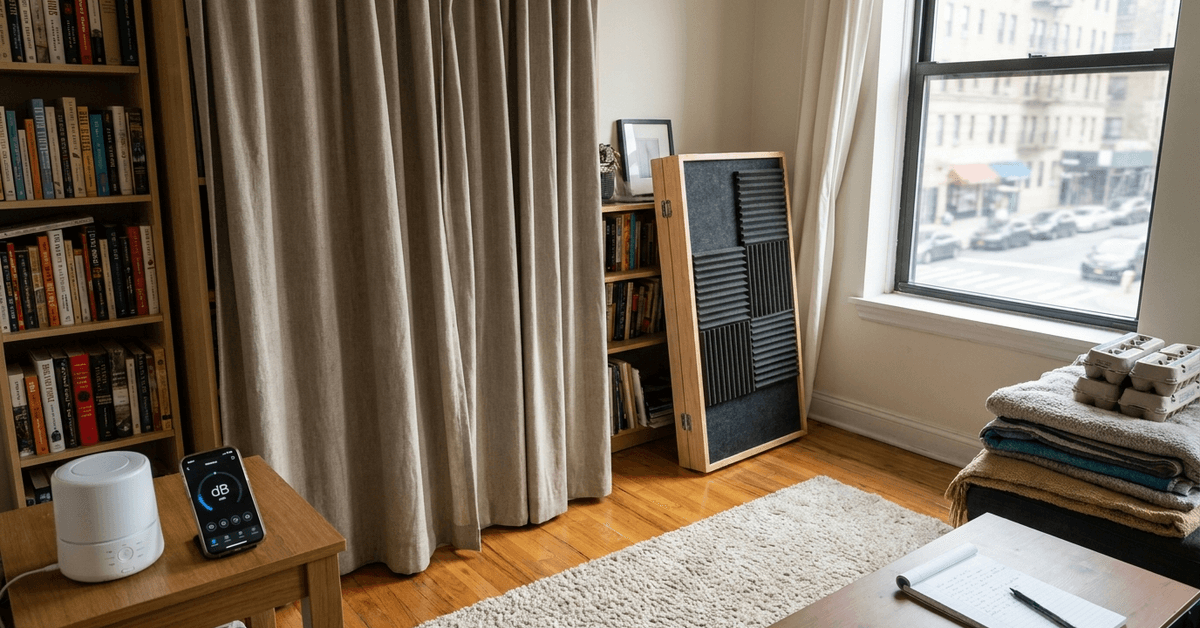
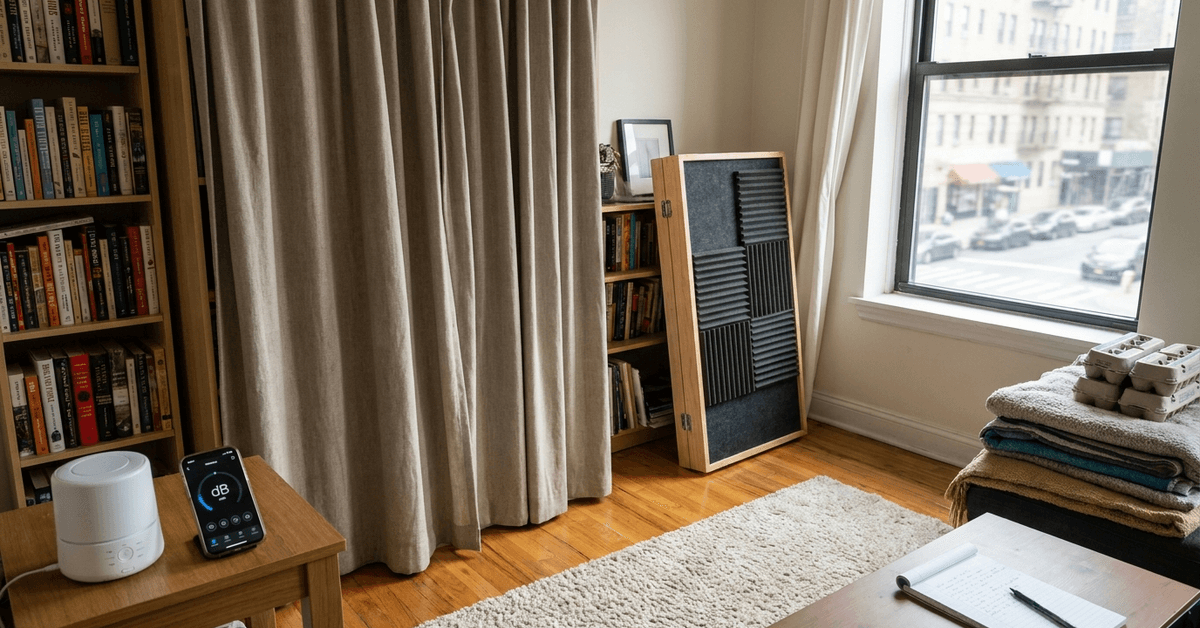
    • Rugs and Carpets: Adding a large area rug, especially with thick padding underneath, can decrease noise transmission across floors and even between rooms.
    • Heavy Curtains: For walls close to windows or doors, these make an immediate difference. They are simple to hang and easily removable for renters.
    • Fabric-Covered Furniture: Placing a bookshelf or fabric sofa directly against a shared wall can noticeably reduce sound passing through.

    Rugs are often the best first step in rooms with laminate or wood floors.

    Temporary Wall Panels and Foam Tiles

    • Acoustic Foam Tiles: Lightweight panels that stick onto walls using removable adhesive strips. These are widely available online and cut noise reflections inside a room.
    • Portable Sound Panels: Freestanding panels (sometimes foldable) can be placed where needed, then stored away when not in use. These work well for those who occasionally host guests or work from home.

    Weatherstripping and Door Sweeps

    • Self-adhesive Weatherstripping: Apply to door gaps and window frames to block sound leaks, not just air drafts. Simple to install and remove.
    • Door Sweeps: These attach to the bottom of doors to block the gap. City apartments often have larger-than-average gaps that contribute to hallway noise.

    Room Arrangement Techniques That Work

    The placement of everyday items is a highly underrated hack for sound management. Furniture arrangement can greatly impact the amount of noise entering a room from a shared wall.

    Best Ways to Rearrange Furniture

    • Position wardrobes, bookshelves, or storage units against the noisiest wall. The bulk acts as an extra layer of insulation.
    • Angle beds or seating away from shared walls. This can sometimes cut intrusive sounds by half, simply by moving the head of a bed.
    • For open-plan studios, section off areas with movable bookcases or even folding screens, creating a sense of privacy plus an extra sound barrier.

    In compact flats, even minor changes can help—one wardrobe can act as a shield between you and a noisy stairwell, especially noticeable in cities like Amsterdam or Barcelona.

    Tech Tools and DIY Apps for Urban Renters

    Modern living often brings modern problems. But it also delivers technology for tracking, masking, or minimizing unwanted sounds. Using the right apps and gadgets can help manage city noise instantly.

    White Noise Machines and Smart Speakers

    • LectroFan: A popular white noise machine that blocks a range of external sounds. Suitable for bedrooms and home office use.
    • Google Nest Mini: Works well as both a speaker and a white noise device. Can be controlled by phone, useful for timed sound masking.
    • Bose Portable Smart Speaker: High-quality sound, excellent for those who prefer calming playlists as a backdrop to city life.

    Sound Level Meter Apps

    • Decibel X (iOS/Android): Allows renters to measure actual noise levels in decibels. This can help document persistent noise issues for building managers or local authorities.
    • Niosh Sound Level Meter: A respected app for more accurate readings, especially useful for comparison over different times of the day.

    Tip: Keep a Log

    • Record times when noise is most disruptive, including decibel readings and sound sources.
    • Provide this info to your landlord or building management if repeated issues occur, especially in dense city buildings like those in Sydney or Madrid.

    DIY Soundproofing on a Budget

    City renters often balance improvements with cost and portability. There are creative, low-cost solutions using everyday materials that deliver meaningful results.

    Homemade Sound Baffles

    • Egg Cartons: Although not very attractive, these do break up sound reflection if aesthetics are not a top concern. They stick to the wall using removable adhesive putty.
    • Blankets: Heavy moving blankets hung on problematic walls or doors can mute voices or TV noise.
    • Yoga Mats: Attach rolled-out mats to the wall for temporary dampening. These are easy to remove and store if needed.

    Cost-Efficient Acoustic Caulk

    • Green Glue: A specific type of acoustic caulk, this product fills cracks and seams in walls, corners, or around outlets. It is especially helpful in older buildings where air (and noise) can leak through small openings.
    • AcoustiSeal: Another option for sealing minor gaps. This comes in tubes like standard caulking and is suitable for renters because it can sometimes be peeled away later.

    Green Glue is commonly cited among professional installers for non-invasive soundproofing jobs.

    Legal Solutions and Neighbor Communication

    Sometimes, simple hacks are not enough. If noise issues persist, there are structured approaches that respect city laws and apartment living etiquette.

    Check Local Noise Ordinances

    • Many cities establish ‘quiet hours’ during overnight periods. Examples include 11 p.m. to 7 a.m. rules in cities like Munich, Chicago, or Vancouver.
    • If issues occur during these hours, document incidents for future reference.

    Open Communication with Neighbors

    • Knock and introduce yourself. Residents may not be aware they are causing a disturbance.
    • Share information about thin walls and suggest adjusting speaker or furniture placement from their side.
    • In many urban apartments, conflicts are resolved faster through dialogue rather than formal complaints.

    Escalating to Building Management

    • Keep written logs and correspondence. Use apps to record sound levels (with time and context).
    • Request mediation or a written complaint if needed. Landlords in cities like San Francisco or Milan often follow up quickly because excessive noise can impact building ratings.

    Conclusion

    Living comfortably with shared walls in an urban apartment does not require major renovations or high costs. Real-world solutions include strategically placed rugs and curtains, affordable temporary panels, sound apps, and open communication. 

    Some methods are quick fixes while others help build long-term peace. Combining several techniques and adapting them to your city and building type can make a significant difference. 

    For renters and owners alike, small adjustments often deliver the greatest peace of mind and a more enjoyable city home.

  • How to Create a Capsule Wardrobe Suited for Changing Urban Weather

    How to Create a Capsule Wardrobe Suited for Changing Urban Weather

    Managing your wardrobe in a city with rapidly shifting weather, like London or New York, can feel overwhelming. A capsule wardrobe offers a practical solution, helping urban dwellers dress smart and light year-round.

    Understanding Capsule Wardrobes for Urban Environments

    A capsule wardrobe is a small, curated clothing collection designed for mixing and matching. Versatility is the focus, making it ideal for urbanites facing daily weather surprises.

    With city weather that can turn in minutes, having adaptable pieces saves time and space. This method works well if your apartment has limited storage or you travel across town regularly.

    How to Create a Capsule Wardrobe Suited for Changing Urban Weather

    Why Urban Weather Demands a Flexible Approach

    Urban climates often bring quick changes—morning fog, afternoon sun, sudden rain. In cities like Amsterdam or San Francisco, layers are key.

    This unpredictability means single-purpose outfits rarely work. Clothes that transition from dry to wet, or cold to warm, build real value over time.

    Core Principles for Building a Weather-Proof Capsule Wardrobe

    Moving toward a capsule system starts with a few key principles. First, focus on neutral colors. Neutrals blend easily and disguise minor spots, keeping you presentable through any storm.

    Second, select multi-season fabrics, like merino wool or lightweight synthetic blends. These keep you comfortable in variable conditions.

    Third, choose layering items, such as compact sweaters or thin jackets. Urban layering lets you adjust as the day—and temperature—changes.

    Step-by-Step: Creating Your Capsule Wardrobe

    Assess Your Local Climate Patterns

    Start by checking recent seasonal patterns. Apps like AccuWeather offer city-level history of rainfall and temperature swings.

    Look at your most frequent commutes or destinations. Does your subway stop feel drafty? Is your favorite café more exposed to wind or sunlight?

    Audit Your Current Clothing

    Take out every piece you wore in the last 30 days. Set aside anything unworn or only suited for single extreme days.

    • Look for items that layer easily.
    • Keep pieces that work for both a chilly morning and a warm afternoon walk.
    • Identify high-maintenance clothes that can’t handle drizzle or spills.

    Identify the Essential Capsule List

    • 1-2 waterproof jackets (packable if possible)
    • 2 sweaters or thin pullovers
    • 5-7 base tops in breathable fabrics
    • 2-3 pairs of weather-adaptable pants or jeans
    • 2 pairs of shoes (one waterproof, one more breathable)
    • 1 compact umbrella or rain hat
    • 3-4 versatile accessories (scarves, beanies)

    This basic list adapts to most city climates and shifts through seasons with minor rotation.

    Selecting the Right Materials for City Life

    Weather-Resistant Outer Layers

    Reliable outerwear is vital for urban life. Brands like Uniqlo and Patagonia offer lightweight, packable rain shells that don’t take up much room.

    Look for jackets with adjustable hoods and deep pockets—practical for sudden showers or holding transit cards.

    Breathable Base Layers

    Materials such as merino wool wick moisture and regulate temperature. This can mean comfort on stuffy subways and chilly platforms.

    For budget options, synthetic blends yield good results for everyday use.

    All-Season Footwear

    Urban settings often require walking across wet pavements, hot sidewalks, or muddy parks. A shoe like Blundstone handles rain, while sneakers from major brands keep things light on dry days.

    An extra pair in your bag is a tip many city dwellers rely on, especially during unpredictable weather.

    Tips for Mixing and Matching in Urban Weather

    Layer Smartly

    Layering is not just about piling on clothes. Thin, stackable pieces allow for more combinations and quick changes in the office or metro restroom.

    Choose a light tee, then add a button-up or thin sweater, topped by a jacket on colder days.

    Accessorize for Adaptability

    • Scarves protect against wind and are easily packed.
    • Beanies fit in any pocket for instant warmth.
    • Compact umbrellas shield you from sudden rain.

    Accessories refresh your look and prepare you for city unpredictability.

    Apps and Tools to Stay Ahead of Weather Changes

    Finding the right forecast or closet app saves hassle each morning. Dark Sky (now integrated into Apple Weather) notifies you of rain by the minute.

    Apps like Closet+ help log outfits, track laundry, and suggest what works for today’s weather. This level of planning is surprisingly stress-reducing.

    Concrete Examples: How Capsule Wardrobes Thrive in Different Cities

    London

    Light trench coats work for surprise drizzle. Warm base layers handle temperature drops. Minimalistic boots replace heavy, space-eating footwear.

    New York City

    Winter requires adding compact puffers—easily rolled into backpacks. Swapping in short-sleeved shirts preps for subway heat waves in spring.

    Paris

    Neutrals allow for blending in, while long wool scarves cover you across indoor and outdoor settings. Closed-toe shoes remain a year-round staple due to rain and city dirt.

    Common Mistakes and How to Avoid Them

    Overpacking Seasonal Items

    Packing heavy winter coats year-round wastes closet space. Instead, use compact, foldable options and rotate off-season gear out of sight.

    Neglecting Quick-Change Accessories

    Not having a small umbrella or hat leads to avoidable discomfort. Keep at least one such item in work or gym bags at all times.

    Ignoring Local Transit Needs

    Walking and biking may demand water-resistant pants or reflective accessories, which aren’t always obvious in traditional capsule guides.

    How to Rotate and Refresh Your Capsule Across Seasons

    Transition your wardrobe four times a year. Move heavy sweaters in for late autumn, swap to lighter knits in spring.

    Store off-season shoes and accessories in stackable boxes. Digital inventory apps like Stylebook can log each rotation easily.

    How a Capsule Wardrobe Supports Sustainable City Living

    A capsule wardrobe supports a more sustainable lifestyle by focusing on fewer, versatile, and higher-quality clothing pieces. Instead of constantly buying new outfits, city residents can create multiple combinations from a smaller collection of essentials.

    Reduce Fast Fashion Waste

    Buying fewer items can reduce the amount of clothing sent to landfills. Well-chosen pieces are worn more often, making each purchase more useful and reducing the need for frequent replacements.

    Choose Better Quality

    Durable fabrics, strong stitching, and timeless designs can help clothes last longer. Although higher-quality items may cost more initially, they often provide better value over time.

    Shop More Responsibly

    Websites such as Good On You can help shoppers review the environmental and labor practices of different fashion brands. This information makes it easier to support companies with stronger ethical standards.

    Build Long-Term Habits

    A capsule wardrobe also encourages thoughtful shopping. Before buying, consider whether the item matches your existing clothes, fits your lifestyle, and will be worn regularly. These habits support a more practical and sustainable approach to city fashion.

    Conclusion

    Adapting to fast-changing city weather starts with thoughtful simplicity. A capsule wardrobe means less stress, quicker mornings, and reliable comfort from subway to rooftop.

    Tracking weather, choosing adaptable materials, and rotating your pieces seasonally will keep you prepared. With a few well-designed accessories and the right apps, even unpredictable forecasts become easier to navigate.

    For anyone facing the challenge of dressing well in a city prone to surprises, this method brings both confidence and real-world convenience over time.

  • 5 Mistakes to Avoid When Signing Your First City Apartment Lease

    5 Mistakes to Avoid When Signing Your First City Apartment Lease

    Moving into your first city apartment is exciting, but the process is full of small details that can catch even the most organized renters off-guard. City leases have quirks and risks that are easy to overlook, especially for newcomers.

    Understanding the typical challenges can help avoid expensive surprises and set you up for a smoother transition into urban life. 

    This guide is designed for anyone signing their first apartment lease in city centers—whether in New York, London, Berlin, or any large metropolis—who wants to avoid the common pitfalls.

    Why Urban Apartment Leases Are Tricky

    Most city leases are packed with terms that vary widely by neighborhood, landlord, and even season. Unlike suburban leases, urban contracts often have extra rules and hidden costs that can add up fast.

    5 Mistakes to Avoid When Signing Your First City Apartment Lease

    Competition for apartments in cities like Paris or Toronto can also push first-time renters to rush. The pace of the market often means less time for careful review.

    Mistake #1: Overlooking Hidden Fees and Lease Terms

    The most overlooked aspect of city leases is the presence of extra fees. Common examples include application, amenity, and move-in fees.

    • Some landlords add routine cleaning or trash fees to the rent.
    • Other buildings may charge for using amenities, such as gyms or community spaces.
    • Look out for lease break fees—these can be substantial in cities with high demand.

    Review every section of your lease, taking special note of all fee-related clauses. In cities like San Francisco, even elevator use during move-in can incur charges.

    How to Spot Hidden Costs

    • Ask for a breakdown of all recurring and one-time fees up front.
    • Request a copy of the building’s official fee schedule.
    • Double-check for requirements like renters insurance, which may not be obvious.

    Some property management software, like AppFolio, now provides digital fee disclosures. Using these tools can give additional clarity during negotiations.

    Mistake #2: Skipping the Apartment Walk-Through

    The rush to secure an apartment in fast-moving markets can make it tempting to sign sight unseen. However, skipping the in-person or virtual tour can expose you to major problems later.

    • Minor damages, mold issues, or malfunctioning appliances are common in older city buildings.
    • No amount of staging can replace a detailed inspection—especially in cities where subletting is frequent.

    Photographs can be misleading. Lighting and wide lenses often hide flaws like water damage or bad layouts.

    Steps for a Thorough Walk-Through

    1. Turn on all taps, showers, and toilets to check for leaks or low pressure.
    2. Test every window and door for easy opening and closing.
    3. Look for signs of pests, such as droppings or chewed wires.
    4. Use an app like Checklist Inspection to document everything, including repairs promised by the landlord.

    It helps to bring a friend or family member for a second set of eyes. This can reduce the risk of missing issues that costly repairs won’t cover after move-in.

    Mistake #3: Ignoring Neighborhood Factors and Safety

    Most first-time renters focus on the apartment itself, but city neighborhoods can change block by block. Ignoring the immediate area is a common regret for new arrivals.

    • Cities such as Chicago or Barcelona may have vibrant pockets alongside areas with frequent noise, nightlife, or safety concerns.
    • Being close to busy stations can seem convenient but might mean crowded streets or late-night activity.

    It’s worth checking noise levels at different times, especially evenings and weekends, to get a realistic sense of your future home’s environment.

    Evaluating Neighborhoods

    • Use platforms like SpotCrime to monitor reported incidents in the area.
    • Read local forums or neighborhood groups for honest resident feedback.
    • Try spending a few hours in the area before signing—visit grocery stores, walk the streets, and test commute routes.

    Safety is more than police reports. Consider amenities, lighting, and the “feel” of the neighborhood at different hours.

    Mistake #4: Disregarding Lease Length and Early Termination Clauses

    Urban leases often come in 12-month increments, although shorter or flexible terms are becoming more common. Not understanding your exit options can quickly lead to unexpected costs.

    • Some cities allow subletting, while others have strict policies against lease breaks.
    • Early termination penalties can reach thousands of dollars, especially in high-demand markets like Sydney or Boston.

    If your life plans might change—moving for work or studying abroad—flexibility is essential. Make sure you know the building’s process for moving out early, not just what’s written on the front page of the lease.

    Important Lease Clauses to Review

    • Ask about options for subletting or lease assignment.
    • Check if there’s a penalty-free window for breaking your lease.
    • Clarify responsibilities for finding a replacement tenant.
    • Apps like Leasebreak specialize in connecting city renters needing early exits in places like New York.

    Minor uncertainty is normal, but a lack of clarity around flexible terms can become a major stressor if plans change.

    Mistake #5: Failing to Clarify Included Utilities and Services

    City apartments often have ambiguous wording around what’s included in the rent. This can dramatically affect your monthly budget.

    • Utilities like water, gas, and electricity may or may not be part of the package.
    • Internet and trash collection are sometimes tenant responsibilities, even in premium buildings.
    • Cities such as Los Angeles or Vancouver often have different standards by neighborhood or building age.

    Utility costs are rising in most cities. A clear understanding can mean hundreds saved over the lease period.

    Confirming Inclusions

    • Ask for a written list of included services before signing anything.
    • Request recent monthly utility bills from the property, if allowed.
    • Apps like Splitwise help track and divide costs if sharing with roommates.

    It may not be immediately obvious, but clarifying exactly what is and isn’t included can avoid constant negotiations—or worse, services getting interrupted after move-in.

    Conclusion

    Signing your first city apartment lease is rarely straightforward, but preparation makes all the difference. Avoiding these five mistakes doesn’t guarantee perfection, but it does reduce the odds of major headaches. 

    A bit of patience and thorough review can help secure not just a home, but peace of mind in your urban journey. For more practical city living tips and tools, explore other articles on Instacitizen.com and take your next steps with confidence.

  • How to Prep Your Apartment for a Sudden Power Outage or Emergency

    How to Prep Your Apartment for a Sudden Power Outage or Emergency

    City living brings convenience but emergencies sometimes strike without warning. Power outages in cities like New York or Toronto can happen at any time. Being ready saves stress and money for apartment dwellers of all ages.

    This guide is meant for renters and homeowners in urban apartments. Anyone wanting practical, step-by-step ways to stay safe, comfortable, and connected during sudden outages will find help here.

    Why Every Urban Apartment Needs an Emergency Plan

    High-rise buildings can be vulnerable during outages. Relying on elevators, electric stoves, and digital locks can sometimes backfire in a blackout. Even major metros like Chicago have experienced sudden disruptions due to storms or grid issues.

    How to Prep Your Apartment for a Sudden Power Outage or Emergency
    Image Source: Tara Energy

    Apartment dwellers often lack storage space. Planning ahead is especially important when every square foot counts.

    First Steps: Emergency Apartment Assessment

    Starting with a quick check of your apartment can make future emergencies much easier to handle. A few minutes now can spare hours of hassle later.

    Know Your Apartment’s Weak Points

    • Check if your building has emergency lighting in hallways.
    • Identify your floor’s fire escape path—it may be unlit during a blackout.
    • Consider how you would reach exits without elevators or digital locks.

    Essentials Every Urban Home Needs

    • LED headlamp or compact lantern instead of candles (reduces fire risk).
    • Portable charger with enough capacity for several phone charges.
    • At least three liters of bottled water per person.
    • Non-perishable snacks: protein bars, nuts, dried fruit; shelf-stable and easy to store.

    Apartment Blackout Kit: What to Buy and Store

    A small, well-stocked emergency kit can fit under most beds or closets. Many city renters struggle with space—keeping things compact is key.

    • Battery-powered radio for emergency news updates when Wi-Fi fails.
    • Basic first aid kit with painkillers, bandages, and a pair of scissors.
    • Copies of IDs, renter’s insurance details, and contact numbers.
    • Extra keys, if digital access fails.

    Set Up Alternative Lighting Options

    After dark, candles are tempting but dangerous in high-rise apartments. Safer options exist and pay off in emergencies.

    • LED tap lights easily attach to walls for hands-free visibility.
    • Luci inflatable solar lamps charge on window sills during sunny days.
    • Flashlights with easy-to-find backup batteries stored separately.

    Mobile Power: Keeping Devices Charged

    During longer outages, keeping your phone alive becomes a priority. Most outages in cities like Los Angeles last under 48 hours but some linger for days.

    • Anker PowerCore or similar high-capacity portable charger for phones and tablets is a smart investment.
    • Charging banks with built-in solar panels can be recharged outdoors or on window ledges.

    Rotating devices through low-power mode helps preserve battery life even more.

    Food and Water: What to Keep on Hand

    Urban refrigerators stop cooling when the power fails. Knowing what can be safely eaten, and when to toss spoiled foods, reduces health risks.

    Safe Foods for Short-Term Emergencies

    • Unopened shelf-stable foods like crackers, granola, and canned goods.
    • Ready-to-eat baby food pouches provide nutrition and require no refrigeration or preparation.

    How to Store and Use Water Wisely

    • Fill bathtubs or sinks with water before an expected outage if possible.
    • Store commercial bottled water in a cool, dark spot to extend shelf life.

    Staying Informed: News and Communication Tools

    Cell towers may go down during large-scale outages. Relying on a single source for updates can be risky.

    • NOAA weather app is reliable for emergency alerts in North America.
    • Apps like Nextdoor give hyperlocal updates from community members.
    • Old-school options: tune in with your battery-powered radio if all else fails.

    Safety Precautions for Urban Apartments

    Emergencies tempt people to leave candles burning or prop open stair doors. These habits can actually increase risks for everyone in the building.

    Fire Safety Basics

    • Supervise all flames closely—never leave a candle burning in another room.
    • Know where the building’s fire extinguishers are before an emergency happens.

    Preventing Accidents

    • Use a headlamp instead of carrying flashlights while climbing stairs.
    • Rubber door stoppers can keep doors open safely without damaging them.

    Neighbors and Community: Sharing Resources

    Apartment communities excel when neighbors help each other during emergencies. Sometimes, a supportive neighbor can provide reassurance or vital help.

    • Consider sharing backup chargers or a portable hot spot with trusted neighbors.
    • Exchange contact details with two or three people on your floor in advance.
    • Group messaging apps such as WhatsApp can organize floor-wide updates.

    Staying Calm and Mentally Prepared

    Sudden outages cause anxiety, especially if kids or pets are affected. Preparing for boredom and discomfort makes riding out the wait a little easier.

    • Pack a small kit with puzzles, card games, or a favorite book.
    • Pre-downloaded playlists help boost morale when the Wi-Fi quits.
    • If you practice meditation, try a few breathing exercises to stay grounded.

    When to Seek Help: Recognizing True Emergencies

    Most city outages resolve quickly, but it’s important to know the signs of a crisis that needs outside intervention.

    • If temperatures inside become dangerous (over 32°C or under 5°C), seriously consider temporary relocation with friends or at a public center.
    • Medical devices without backup battery power—contact local authorities for assistance or designated shelters.
    • Extended blackouts: monitor for updates from your city’s official emergency site or local government Twitter account.

    Apps and Tools for Tracking Outages

    Knowing about a power outage before or as it happens can help you prepare more effectively. 

    Several official utility apps and community-based tracking platforms provide real-time updates, estimated restoration times, and service alerts. Using reliable sources allows you to stay informed and make better decisions during unexpected disruptions.

    Use Official Utility Apps

    Many electricity providers offer their own mobile apps or online outage maps. For example, the Con Edison Outage Map provides updates for New York City, while the Hydro One app delivers real-time service alerts for customers in Ontario. 

    These official platforms often include outage locations, estimated repair times, and options to report service interruptions directly.

    Check Nationwide Outage Trackers

    If you want a broader view, websites such as PowerOutage.us collect outage reports from utility companies across the United States. 

    These platforms display maps showing affected areas, the number of customers without power, and current restoration progress.

    Enable Notifications

    Most utility apps allow you to receive push notifications or text alerts about outages in your area. Enabling these features keeps you informed without repeatedly checking the app and helps you respond more quickly when service interruptions occur.

    Conclusion

    Urban apartment emergencies are common yet manageable with smart preparation. Building an apartment blackout kit, planning for alternative lighting, and staying informed using technology go far to keep you and your household safe. 

    Remember, it’s not just about supplies but the mindset and connections you foster with neighbors. 

    Staying proactive means power outages become events to handle, not crises to fear. Consider reviewing your supplies and safety steps every few months for peace of mind.

  • How to Manage Indoor Humidity and Prevent Apartment Mold

    How to Manage Indoor Humidity and Prevent Apartment Mold

    Indoor humidity and mold are common concerns for apartment dwellers, especially in dense urban areas. Too much moisture can lead to uncomfortable living, health risks, and property damage. 

    Managing these challenges is simpler than it might seem. For city residents wishing for a fresher, safer home, the right steps can make a noticeable difference.

    Why Apartment Humidity Is a Problem

    Cities like New York, London, and Singapore have diverse climates, but high humidity is common in most apartment settings. Tight insulation, frequent cooking, and poor ventilation raise indoor moisture quickly.

    High humidity encourages mold and dust mites. These can worsen allergies, asthma, and sometimes cause fatigue or headaches. Preventing these problems needs an understanding of how moisture builds indoors.

    How to Manage Indoor Humidity and Prevent Apartment Mold

    How Humidity Affects Mold Growth

    Mold loves humid spaces. It thrives where air can’t circulate, such as behind furniture or near windows. Even apartments above the ground floor are at risk, especially during humid months.

    Mold grows best above 60% humidity. Bathrooms, kitchens, and basements are the most notorious spots. Often, the first sign is a musty smell, not always visible mold.

    Optimal Indoor Humidity for Comfort

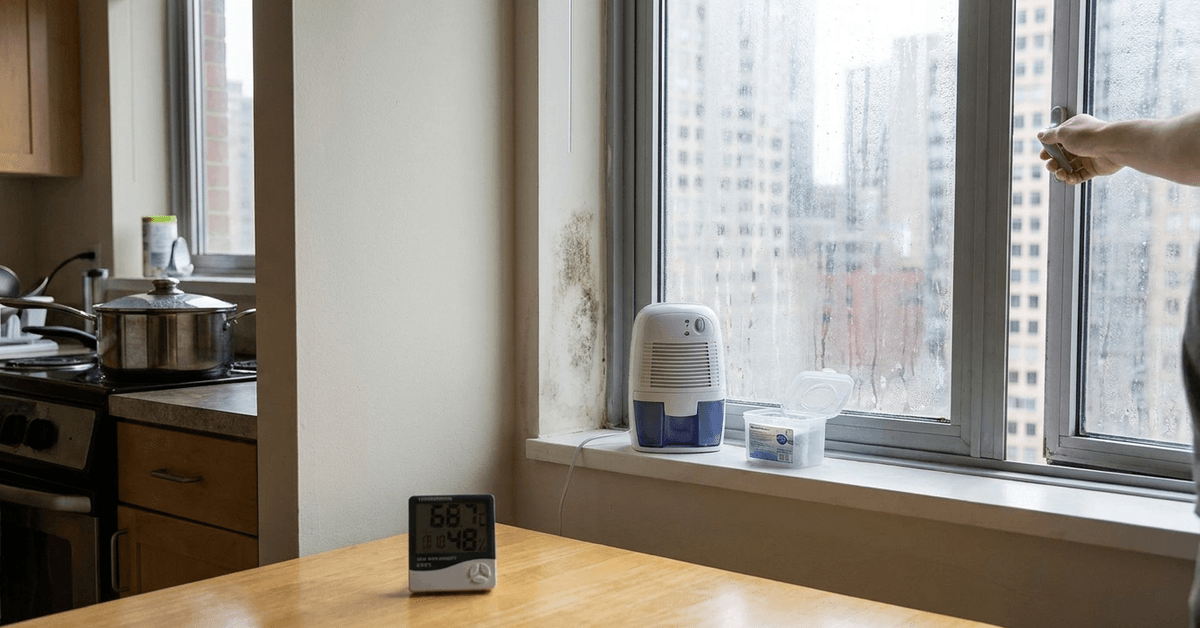
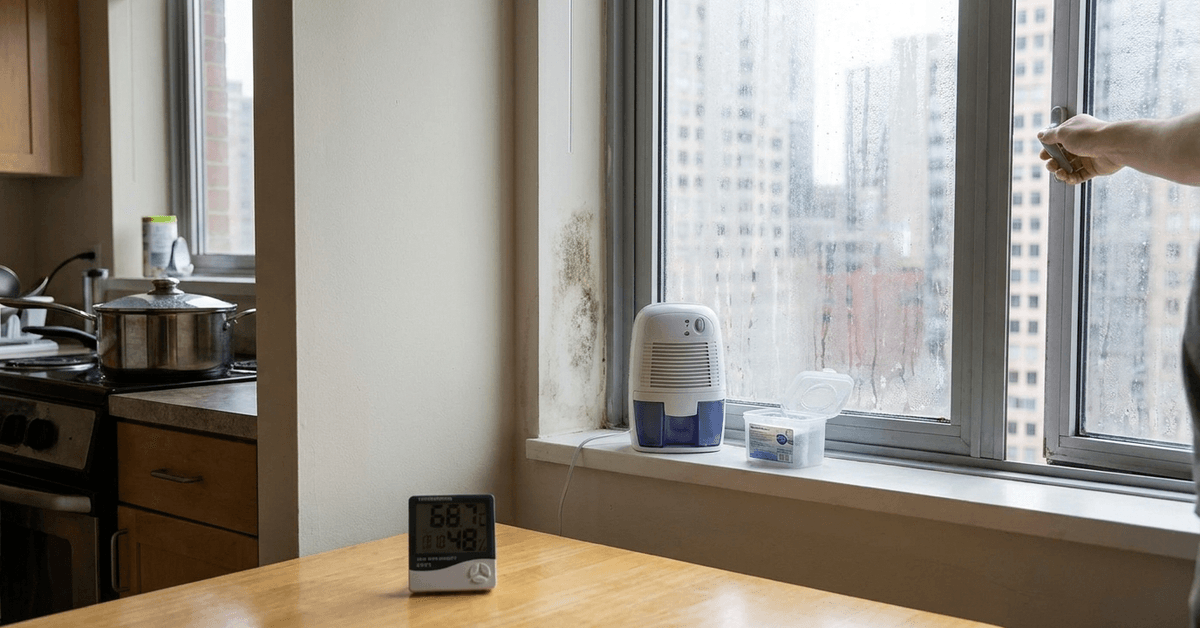
    The recommended indoor humidity range is generally 30% to 50%. This range limits mold growth and supports healthy breathing. Outside this level, windows fog up and surfaces feel damp.

    Too low humidity is uncomfortable, but rarely dangerous for mold. Too high, and mold can appear within days.

    Humidity-Reducing Habits for Apartment Living

    • Keep windows open for at least ten minutes daily, even in winter if possible.
    • After hot showers, wipe down wet bathroom walls and mirrors.
    • Set lids on pots when boiling water to reduce steam release.
    • Dry laundry outside the living area or use a vented dryer.

    A small change in daily routines lowers humidity quickly. Sometimes it helps to set reminders on a phone or calendar until these habits feel routine.

    Choosing and Using Humidity Monitors

    A reliable digital hygrometer is a great investment for any urban home. These small devices monitor humidity in real time and alert to spikes.

    Many models, such as the ThermoPro TP50 or Govee WiFi models, cost less than a night out. Placing one in every major room helps track which areas need extra attention.

    Ventilation Solutions for City Apartments

    Simple Window Strategies

    Opening windows, even briefly, replaces moist air with fresh outdoor air. If outdoor air pollution is a problem, open windows when traffic is minimal or after rainfall.

    Exhaust Fans and Maintenance

    The bathroom and kitchen fans should be strong and functional. Cleaning filters every few months is essential. If a fan feels weak, consider a replacement for better airflow.

    Smart Ventilation Devices

    For urban apartments with sealed windows, consider investing in a ventilation system like the Panasonic WhisperGreen or Tion 3S. These add fresh air without outdoor irritants.

    Dehumidifiers: A Practical Tool

    A portable dehumidifier is effective for controlling moisture in midsize apartments. It’s especially useful in climates like Miami or Hong Kong, where humidity remains high year-round.

    • Use dehumidifiers in closets, bathrooms, or bedrooms with frequent dampness.
    • Empty the water tray regularly to prevent overflow.
    • Choose a model with adjustable humidity settings for better control.

    Detecting and Managing Mold Early

    • Look for black, green, or white spots on walls, window frames, and around air conditioners.
    • Notice odd, persistent odors, especially after rain or hot weather.
    • Consider the Mold Busters app for early detection tips and expert checklists.

    Early action is key. Small outbreaks clean up easily compared to infestations left unchecked.

    DIY Mold Removal Guidelines

    Small mold patches may sometimes be cleaned at home, but safety should remain the priority. Before starting, identify and address the moisture source, since mold is likely to return if leaks, condensation, or poor ventilation continue.

    Clean Minor Areas Carefully

    For a small surface patch, use white vinegar or baking soda mixed with water. Apply the solution gently, avoid excessive scrubbing, and dry the area completely afterward. Never mix cleaning products, especially vinegar and bleach.

    Wear Protective Equipment

    Use gloves, a well-fitting mask, and eye protection while cleaning. Keep windows open or run an exhaust fan when possible. Children, pets, and anyone with breathing problems should stay away from the area during treatment.

    Watch for Returning Mold

    Check the cleaned surface over the following week. If mold returns quickly, report the issue to your landlord, building manager, or maintenance team. Repeated growth may indicate a hidden leak or ventilation problem.

    Know When to Call a Professional

    Large, spreading, or persistent mold areas should be handled by trained specialists. Professional assessment is also recommended when mold affects ceilings, walls, insulation, or heating and cooling systems.

    Useful Apps and Tools for Humidity Management

    Digital tools can make indoor humidity easier to monitor and control. They help apartment residents identify sudden changes, plan ventilation, and report serious moisture concerns before mold or property damage develops.

    Track Humidity Over Time

    The SensorPush app works with compatible wireless sensors to record temperature and humidity readings throughout the day. Users can review historical patterns and receive alerts when moisture levels rise or fall beyond chosen limits.

    Plan Ventilation and Laundry

    Weather apps such as AccuWeather can help you identify suitable times for opening windows or drying laundry. Checking outdoor humidity, rain forecasts, and temperature conditions may prevent additional moisture from entering the apartment.

    Report Building Problems

    Apartment management platforms such as BuildingLink allow residents to report leaks, condensation, damp walls, or ventilation problems directly to landlords and maintenance teams. Adding photos and detailed notes can make the issue easier to assess.

    Review Patterns Regularly

    Check app records after cooking, showering, or drying clothes indoors. Repeated spikes may reveal habits or building problems that require better ventilation, a dehumidifier, or professional maintenance.

    Best Practices in Specific Cities

    New York City

    Humidity rises in summer, so air conditioning doubles as a dehumidifier. Make AC servicing an annual habit for efficiency and clean airflow.

    London

    Older buildings are prone to damp due to poor insulation. Look into window insulation kits and regularly ventilate to prevent moisture buildup.

    Singapore

    High outdoor humidity year-round makes dehumidifiers essential. Many residents use moisture absorber packs in closets for extra peace of mind.

    Safety Precautions with Chemical Dehumidifiers

    Desiccant packs and moisture absorbers are helpful for small, enclosed spaces. Keep these products out of reach of children and pets. Choose unscented options to limit chemical exposure indoors.

    Conclusion

    Managing indoor humidity in city apartments combines mindful habits, modern tools, and regular checks. Choosing the right strategies, especially for buildings in rainy or hot climates, cuts mold risks and keeps homes comfortable. 

    Staying proactive with monitoring and air circulation means healthier air and less costly repairs in the long run. Even small lifestyle tweaks can overhaul air quality and the overall feel of urban living spaces.